
Skip to product information
1 of 14

Yoshikane SKD Tsuchime Santoku 165mm

Yoshikane

Classic tsuchime hammered surface, Exceedingly high quality SKD steel, ergonomic & aesthetic burnt chestnut handle. A shop favorite. Highly recommended.

Regular price
$386.00
Regular price
Sale price
$386.00
Shipping calculated at checkout.
  • Hurry, only 3 items left in stock!
Free U.S. shipping $199+

Free economy shipping is available for US domestic orders at and above $199. See details here.

Return policy

Click the following to see the Return & Refund Policy

Contact us

For questions, comments, or inquires, contact us here.
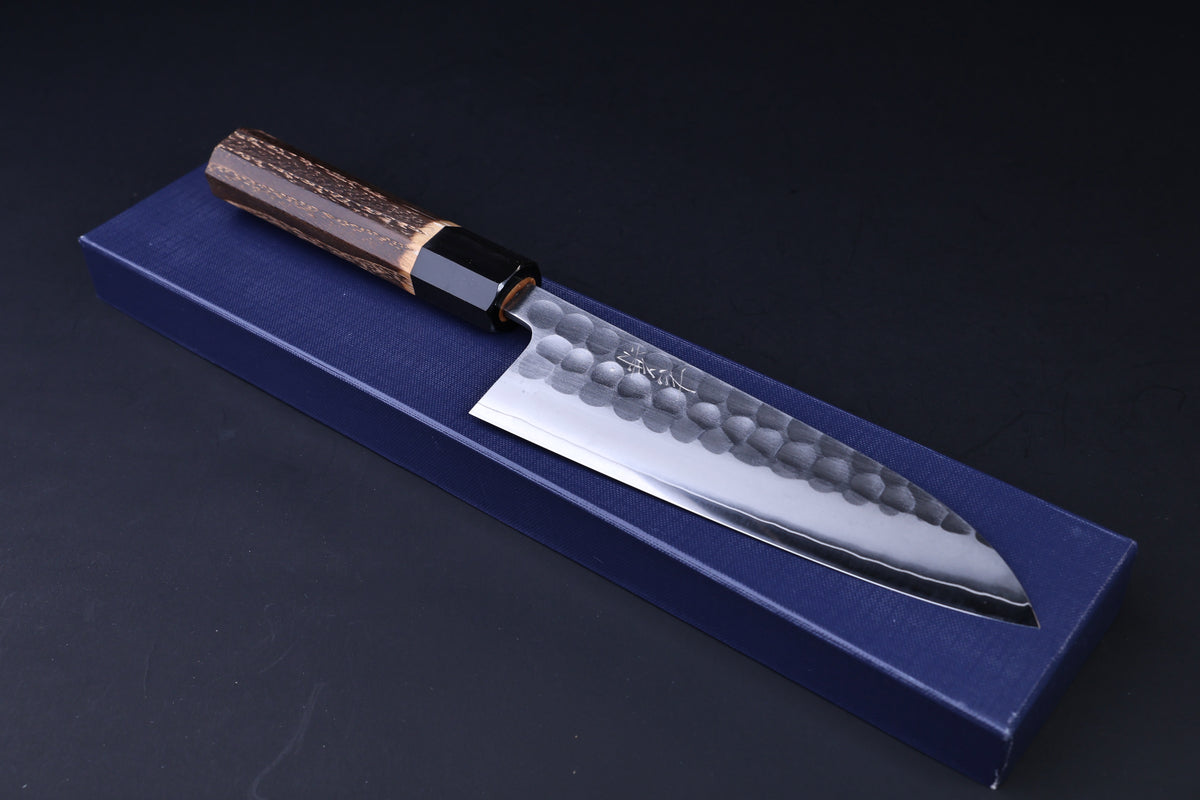
Yoshikane SKD Tsuchime Santoku 165mm presented in blue gift box with fitted insert
Yoshikane SKD Tsuchime Santoku 165mm with kuro-uchi finish and maker&
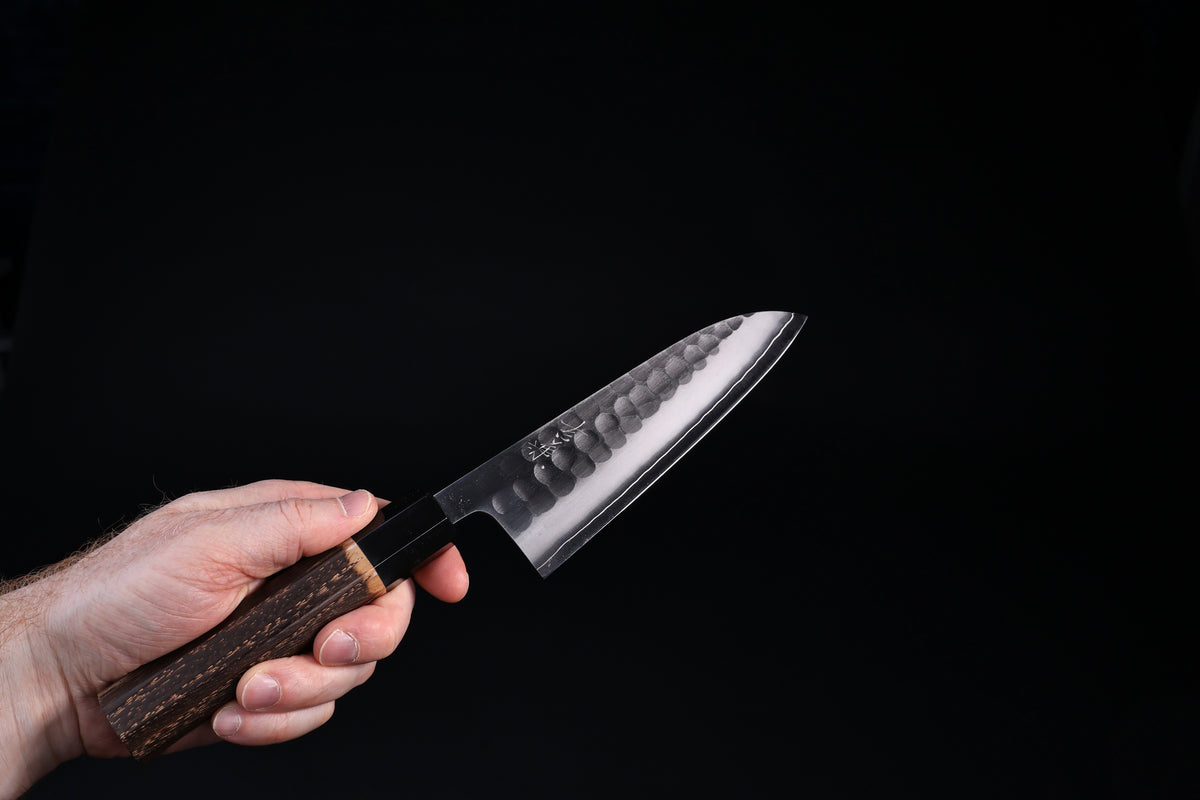
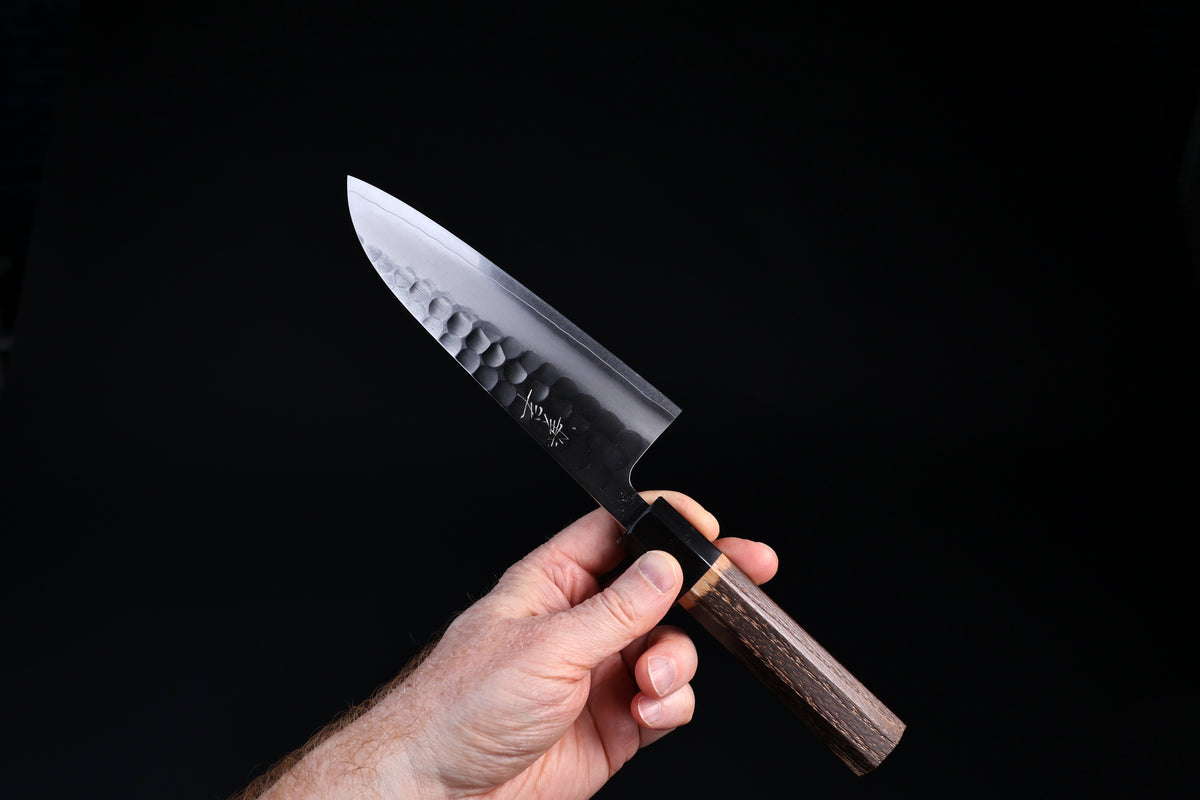
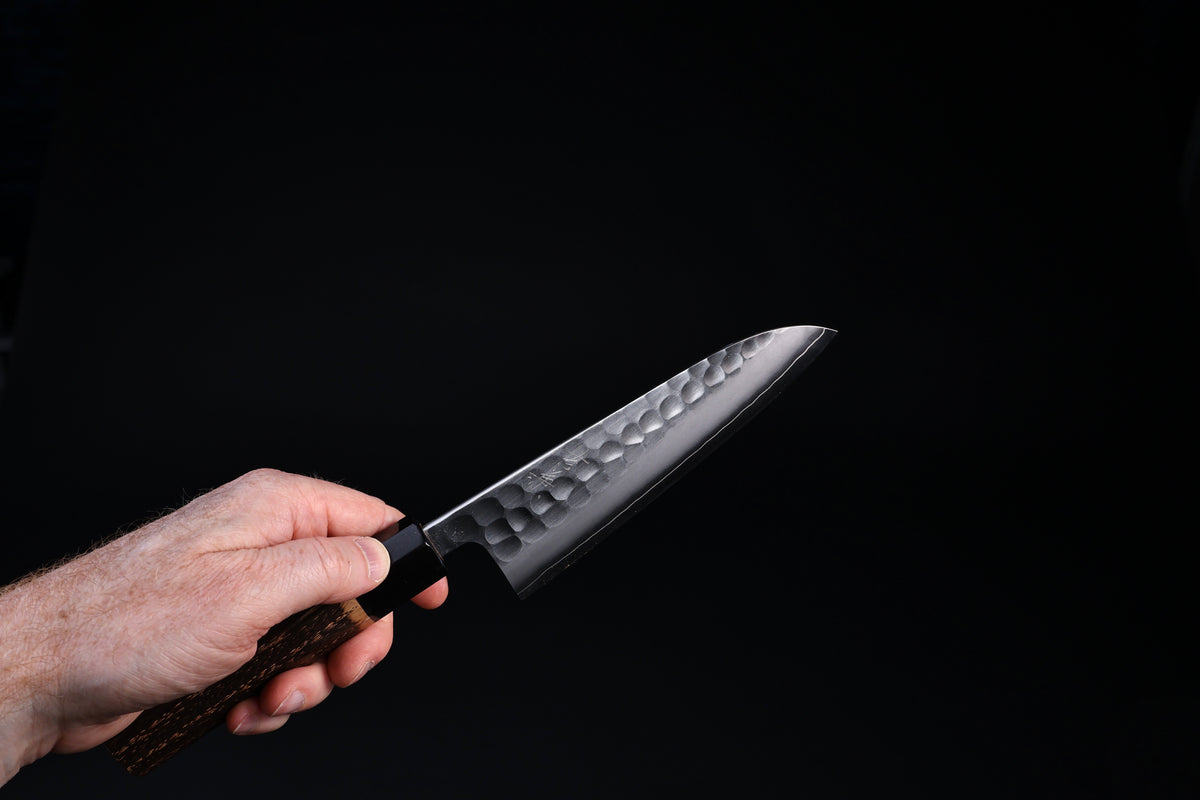
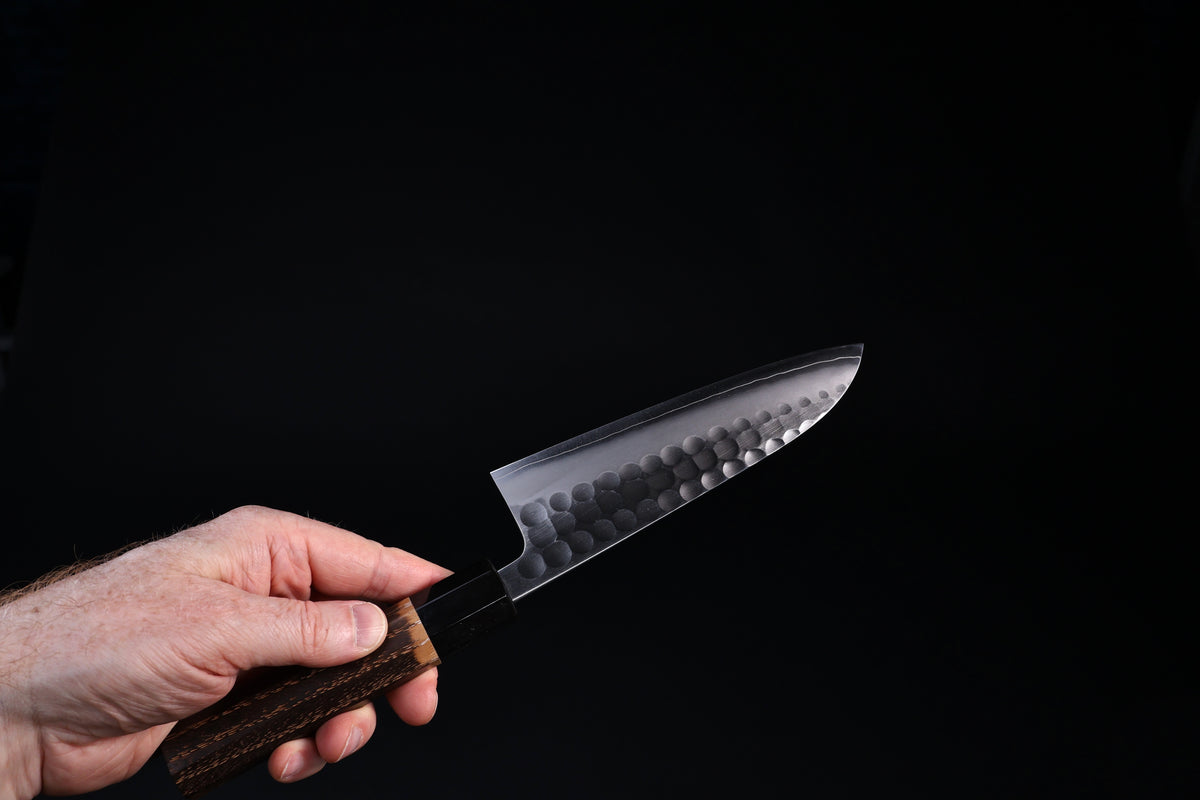
Yoshikane SKD Santoku 165mm Japanese santoku knife in hand showing full blade profile
Yoshikane SKD Santoku 165mm kuro-uchi blade finish with maker&
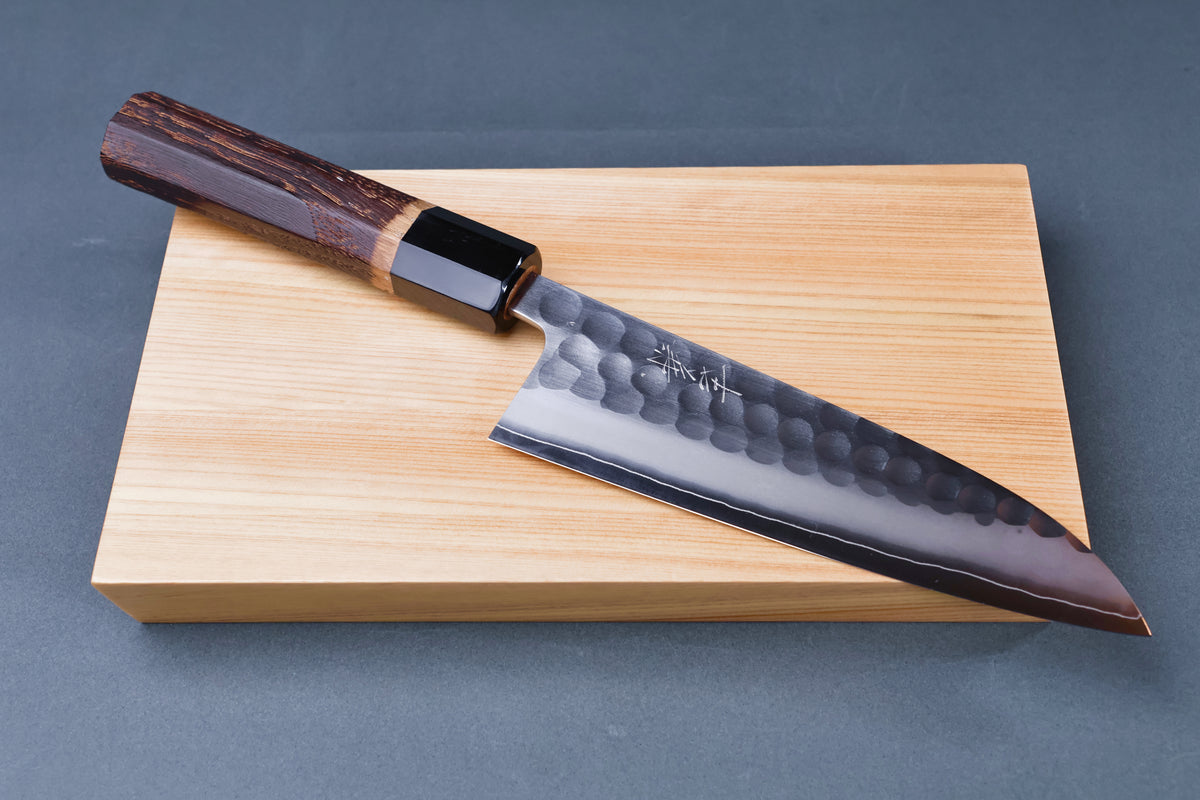
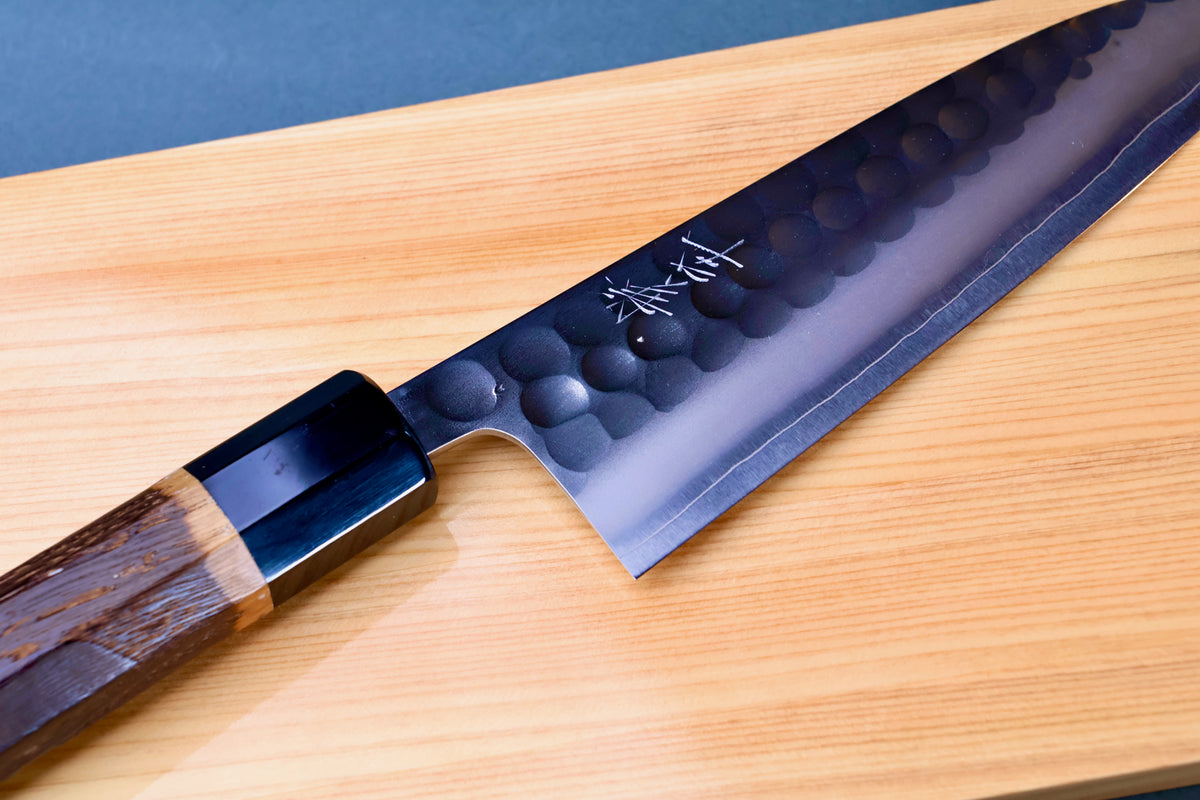
Yoshikane SKD Tsuchime Santoku 165mm resting on hinoki cutting board showing complete knife profile
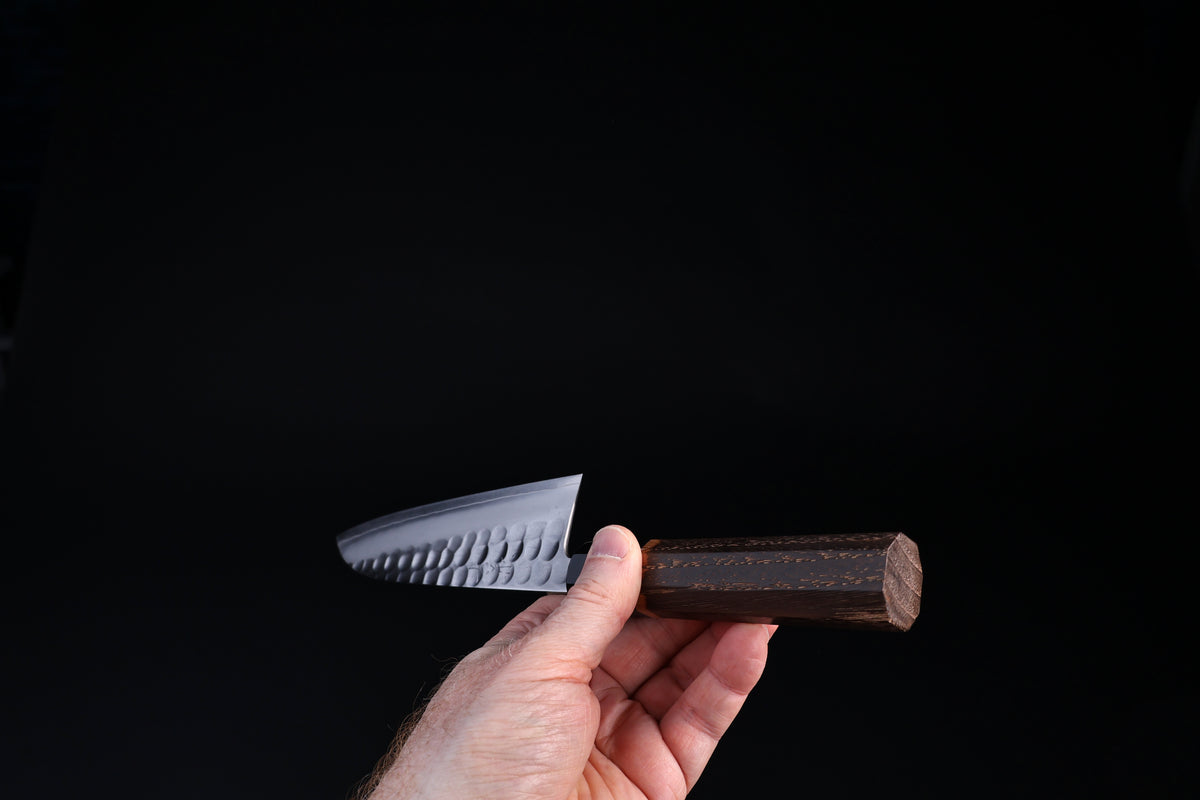
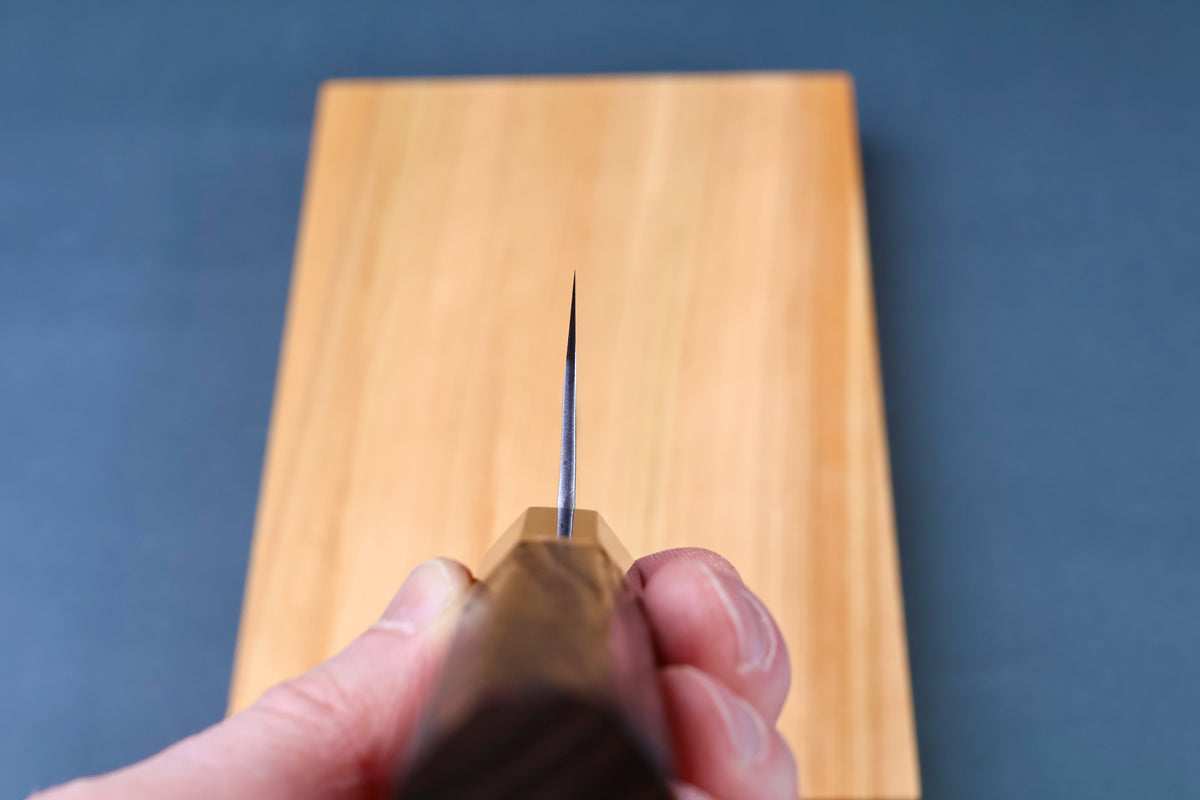
Yoshikane SKD Tsuchime Santoku 165mm blade tip viewed straight down the cutting edge showing thin profile
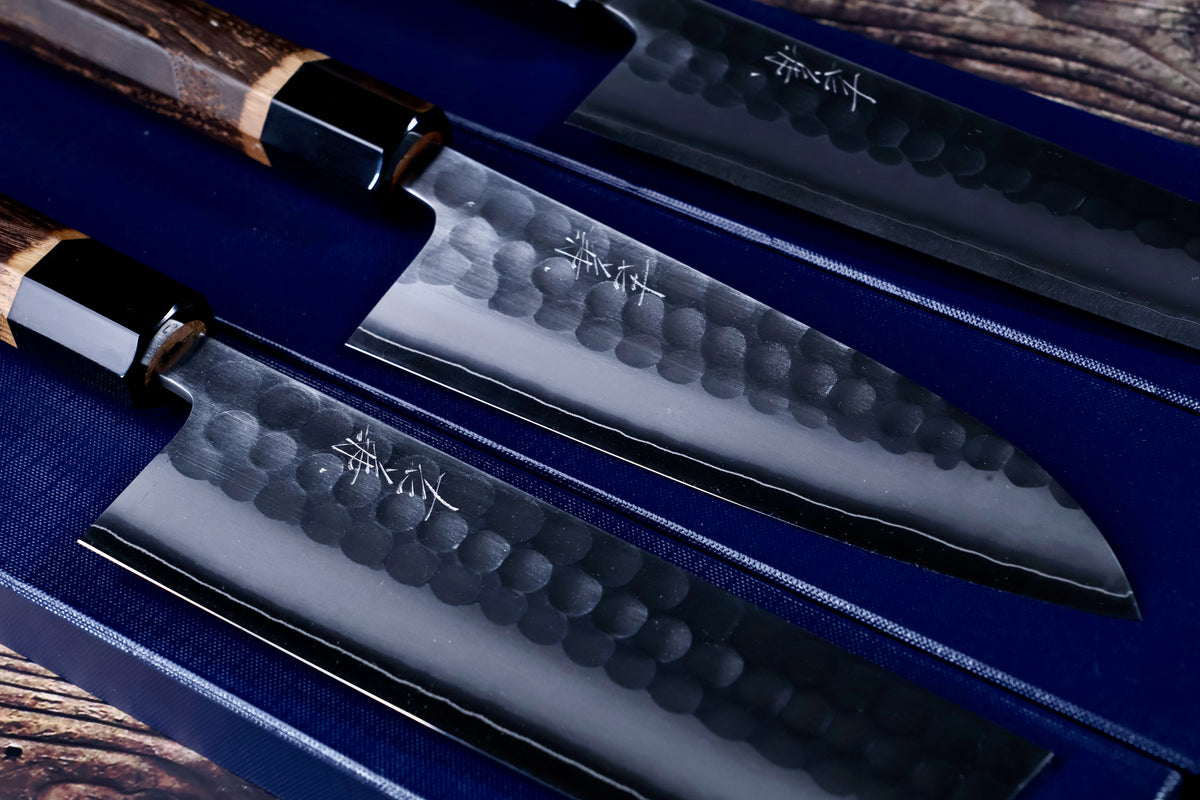
Close-up of Yoshikane SKD Tsuchime gyuto, santoku and nakiri blades showing hammered finish and kanji engraving
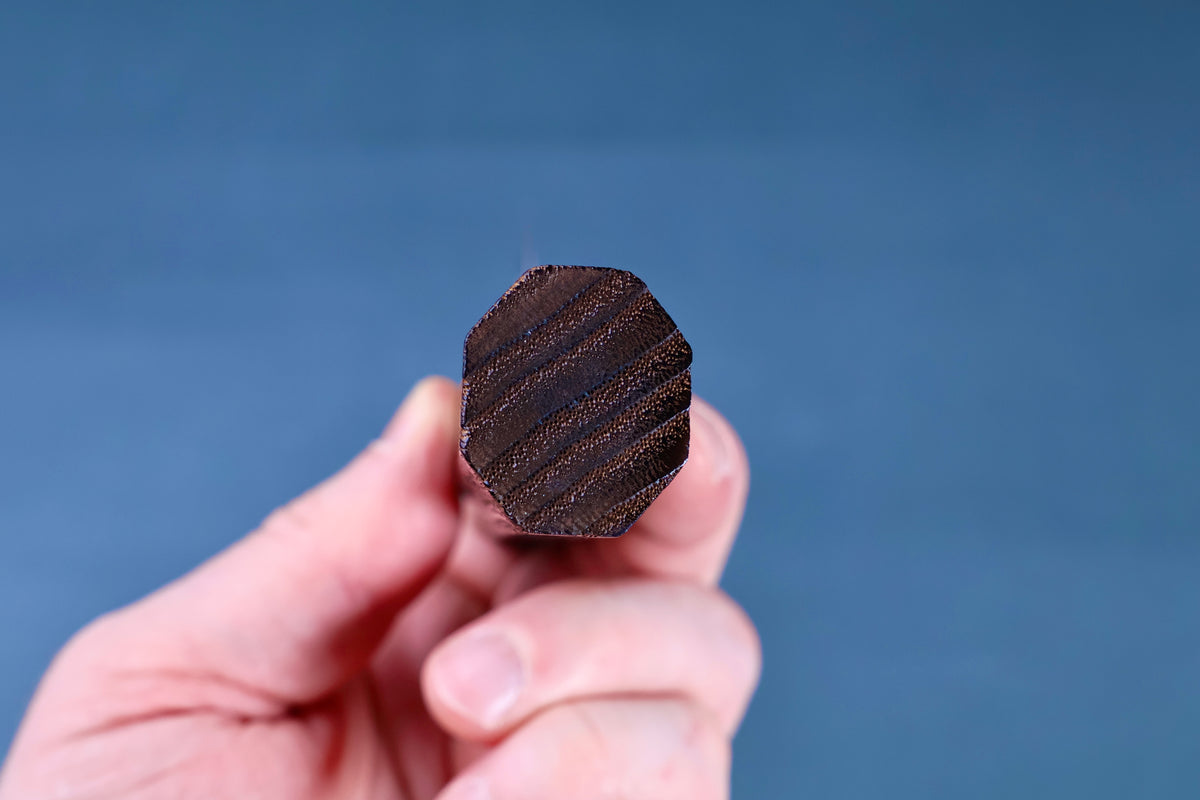
Yoshikane SKD Tsuchime Santoku 165mm end view of burnt chestnut octagonal handle showing wood grain
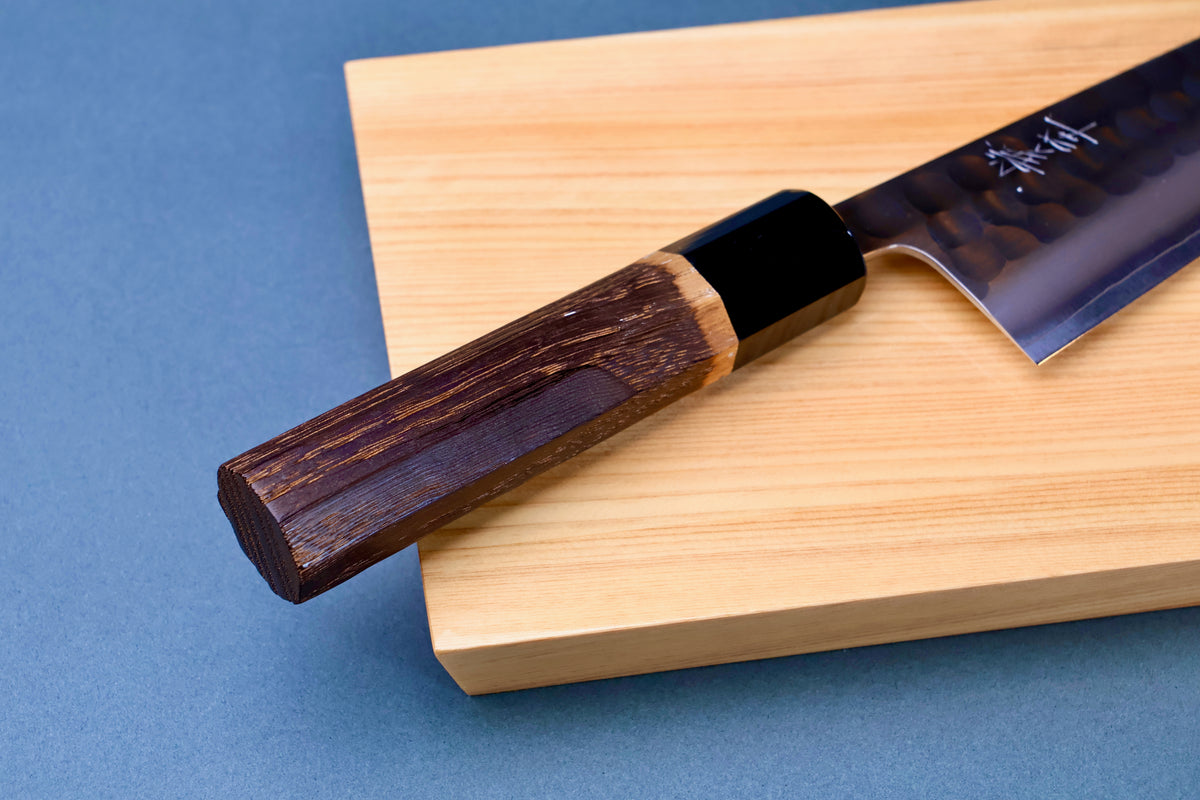
Yoshikane SKD Tsuchime Santoku 165mm burnt chestnut octagonal handle and buffalo horn collar on hinoki board
Yoshikane SKD Tsuchime Nakiri 165mm heel and handle junction on hinoki board showing kanji and buffalo horn collar
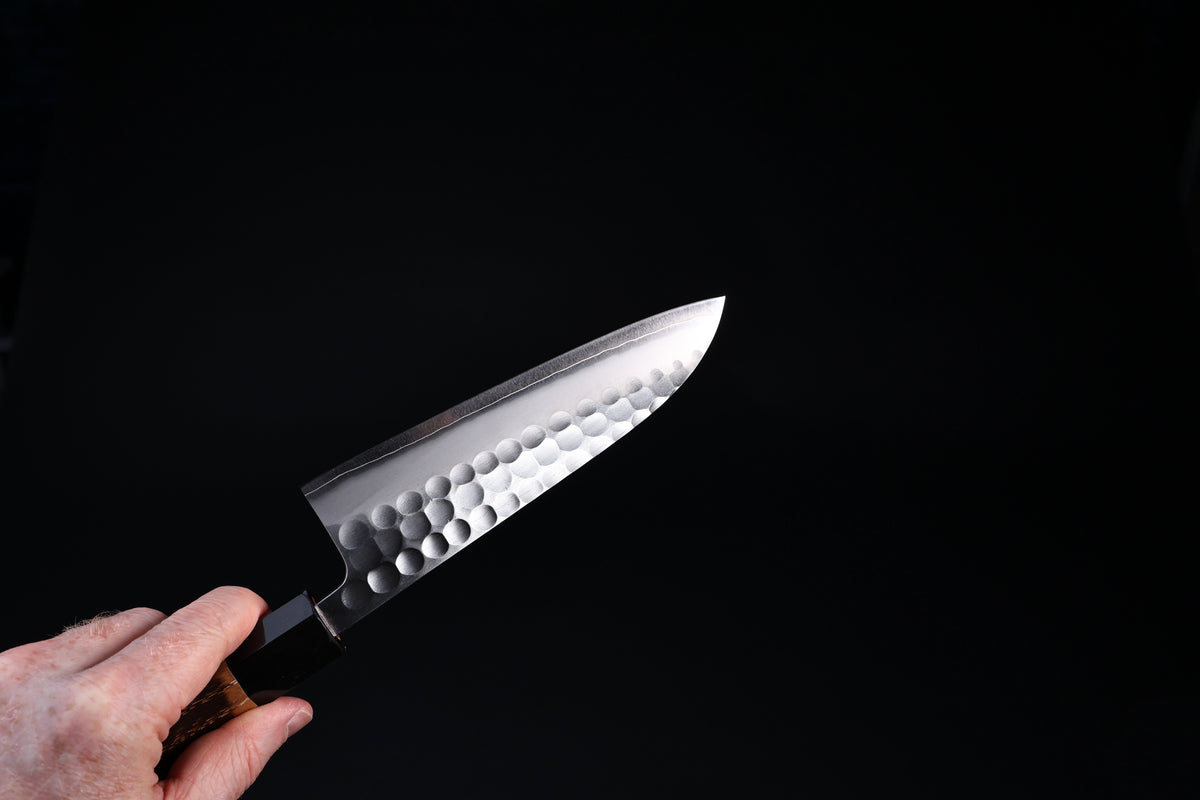
Tsuchime hammered finish detail on Yoshikane SKD Santoku 165mm blade face
Yoshikane SKD Santoku 165mm octagonal wa handle in dark wood with black collar
Yoshikane SKD Santoku 165mm blade profile showing tsuchime finish and polished edge

Yoshikane SKD Tsuchime Santoku 165mm

Product information

Description

SKD is an exotic tool steel that is high-carbon and semi-stainless, with a slow developing patina. SKD is easy to sharpen and takes a very, very sharp edge. Due to its toughness, the edge retention of this steel is incredible too. Yoshikane’s SKD is a top ranking series both with performance and fit and finish. 

Tsuchime is the hammered, dimpled surface of the upper portion of the knife. This is a traditional Japanese metalworking technique that is both functional and aesthetic. The hammered surface is said to prevent food from sticking and improve cutting performance.

A Santoku is a versatile, all-purpose kitchen knife that is shorter in length, has an overall flatter edge geometry, yet excels with slicing, dicing and mincing. The name Santoku, or three virtues, refers to the knife’s utility as a combination of Gyuto (meat knife), Deba (fish knife) and Nakiri (vegetable knife). If you’re accustomed to slicing and using the push-cut technique, this knife will reward you with outstanding performance.


Details

  • Brand: Yoshikane
  • Type: Santoku
  • Blade material: SKD, Stainless Steel Cladding
  • Handle: Burnt Chestnut, Buffalo Horn Ferrule
  • Blade Length: 165mm
  • Handle Length: about 125mm
  • Overall Length: about 310mm
  • Thickness of Spine: about 4mm
  • Height: at heel, about 50mm
  • Weight: about 133g
  • Bevel: Double
  • Hand Orientation: 50/50
  • Made in Sanjo, Niigata Japan

General knife care and use

  • Hand wash with mild soap and warm water soon after use.
  • Dry the blade and handle completely with a towel.
  • Never use a dishwasher, soak the knife or leave it in the sink.
  • Cut on wood or soft rubber boards. Avoid glass, stone and ceramic.
  • Use the spine, not the edge, to scrape food off the board.
  • Avoid bones, frozen food, twisting and prying. Hard Japanese steel can chip.
  • Store dry in a sheath, a knife block or on a magnetic strip, not loose in a drawer.
  • Sharpen on whetstones when the edge dulls. Avoid pull-through sharpeners.
  • Realign the edge between sharpenings with a leather strop or ceramic honing rod, which greatly extends how long the edge stays sharp.

Carbon steel

  • Different carbon steels react to moisture in different ways, so make a habit of keeping the blade clean and dry whenever you can.
  • Wipe the blade during use, especially after onions, citrus, tomatoes or fish.
  • Remove any rust spots promptly with a rust eraser, and wipe the blade with a drop of food-safe oil before long storage.

Wood knife handles

  • Wood handles keep a secure grip even when wet.
  • Use soap sparingly and avoid harsh detergents and bleach, which strip the wood's natural oils and can dry out the handle.

Knife details

  • knife profile - Santoku

    The santoku, meaning "three virtues," is a compact Japanese all-purpose knife for meat, fish and vegetables. Its flatter edge and lowered tip favor push cuts and chopping over rocking. The shorter blade, typically 165mm to 180mm, is light and easy to control, even on a small board.

  • knife steel - SKD

    SKD is a Japanese tool steel with high carbon and about 12% chromium, which makes it semi-stainless. Typically heat treated to 60-62 HRC, it can be sharpened to a blistering sharp edge, with excellent edge retention. It resists rust better than carbon steel but can still rust if left wet, so it should be dried after use.

  • knife finish - Tsuchime

    Tsuchime means "hammered," a finish of small overlapping dimples across the blade face that traces back to hand-forging marks. The dimples create tiny air pockets between blade and food, which helps slices release instead of sticking. Each blade gets a distinctive, traditional look.

KNIFE BRAND

Yoshikane

Yoshikane Hamono is a family-run knife workshop in Sanjo, Niigata, founded in 1919 and now in its fourth generation. Sanjo is a well-known Japanese metalworking town, and the workshop makes hand-forged, hand-sharpened kitchen knives, mostly from SKD and White #2 steel. Its knives are known for their sharp, long-lasting edges and their distinctive nashiji finish.