
Skip to product information
1 of 10

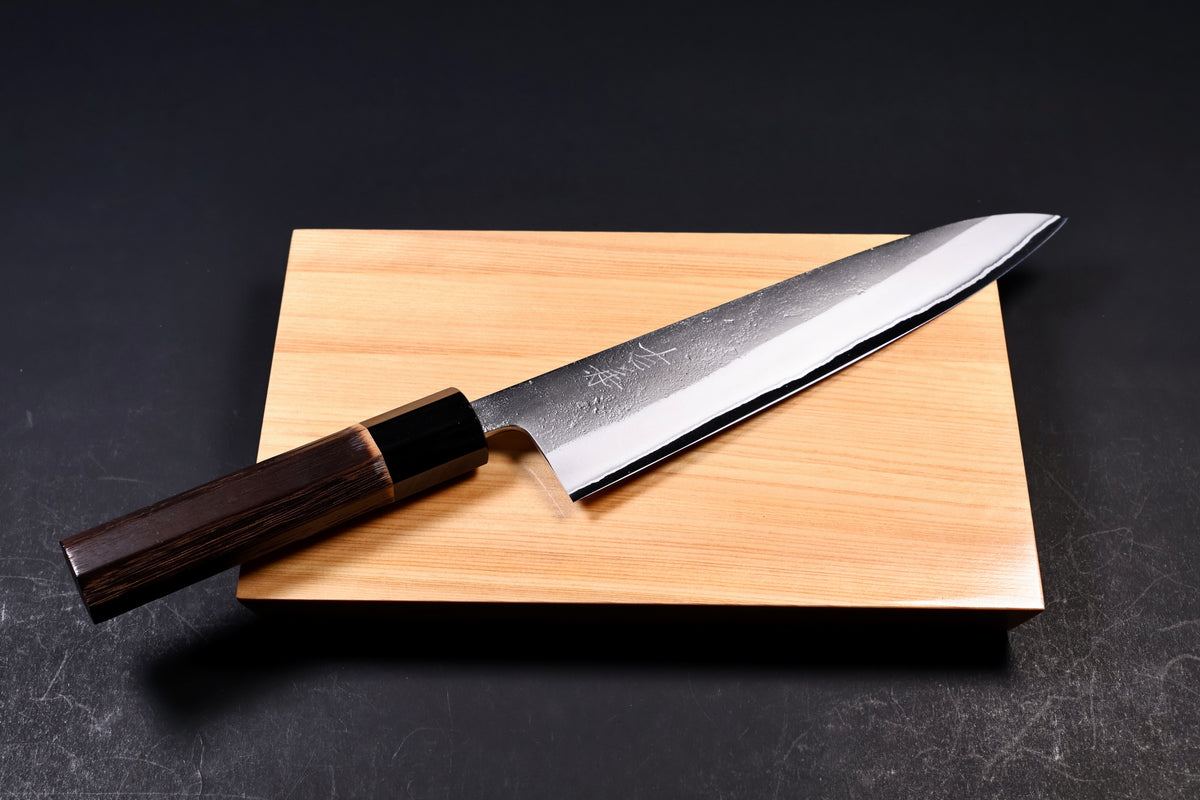
Yoshikane White #2 Nashiji Gyuto 210mm

Yoshikane

Thin, hand-forged White #2 gyuto with stainless cladding, a textured nashiji finish and an edge that sharpens to a razor.

Regular price
$432.00
Regular price
Sale price
$432.00
Shipping calculated at checkout.
  • Hurry, only 3 items left in stock!
Free U.S. shipping $199+

Free economy shipping is available for US domestic orders at and above $199. See details here.

Return policy

Click the following to see the Return & Refund Policy

Contact us

For questions, comments, or inquires, contact us here.
Yoshikane White
Yoshikane White
Yoshikane White
Yoshikane White
Yoshikane White
Yoshikane White
Yoshikane White
Yoshikane White
Yoshikane White

Yoshikane White #2 Nashiji Gyuto 210mm

Product information

Description

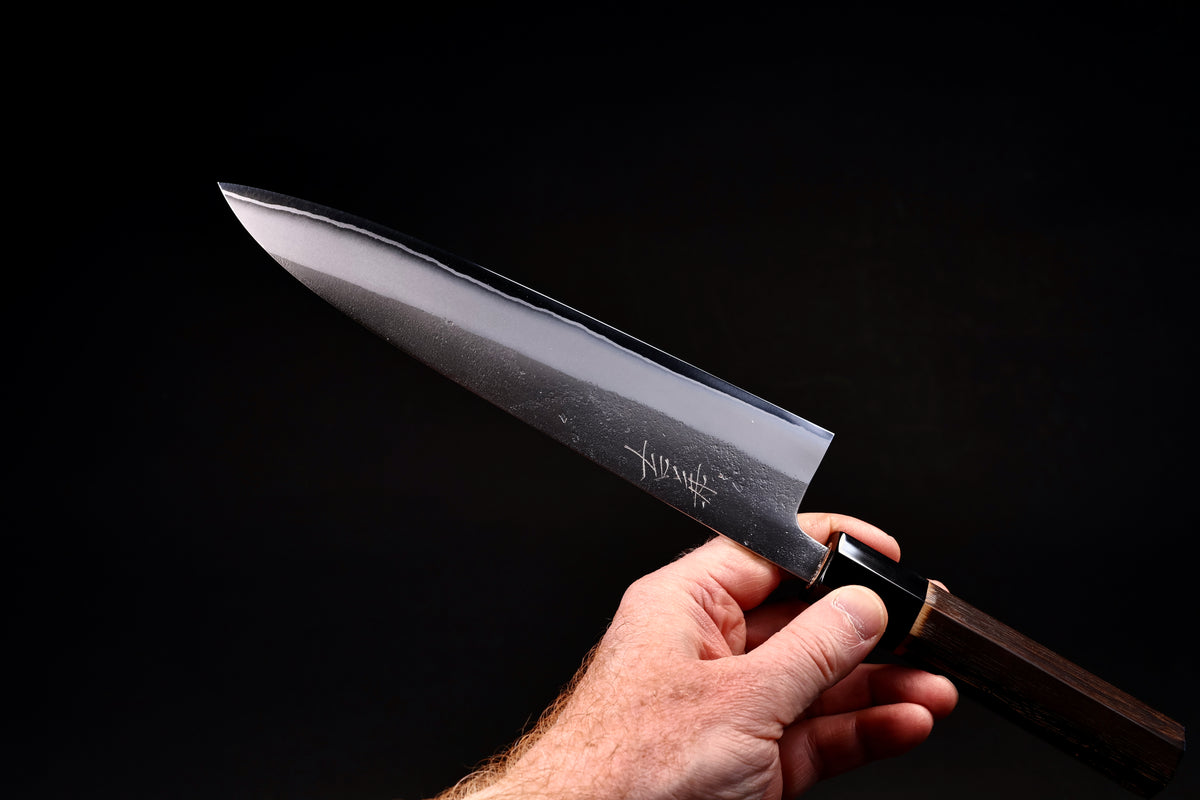
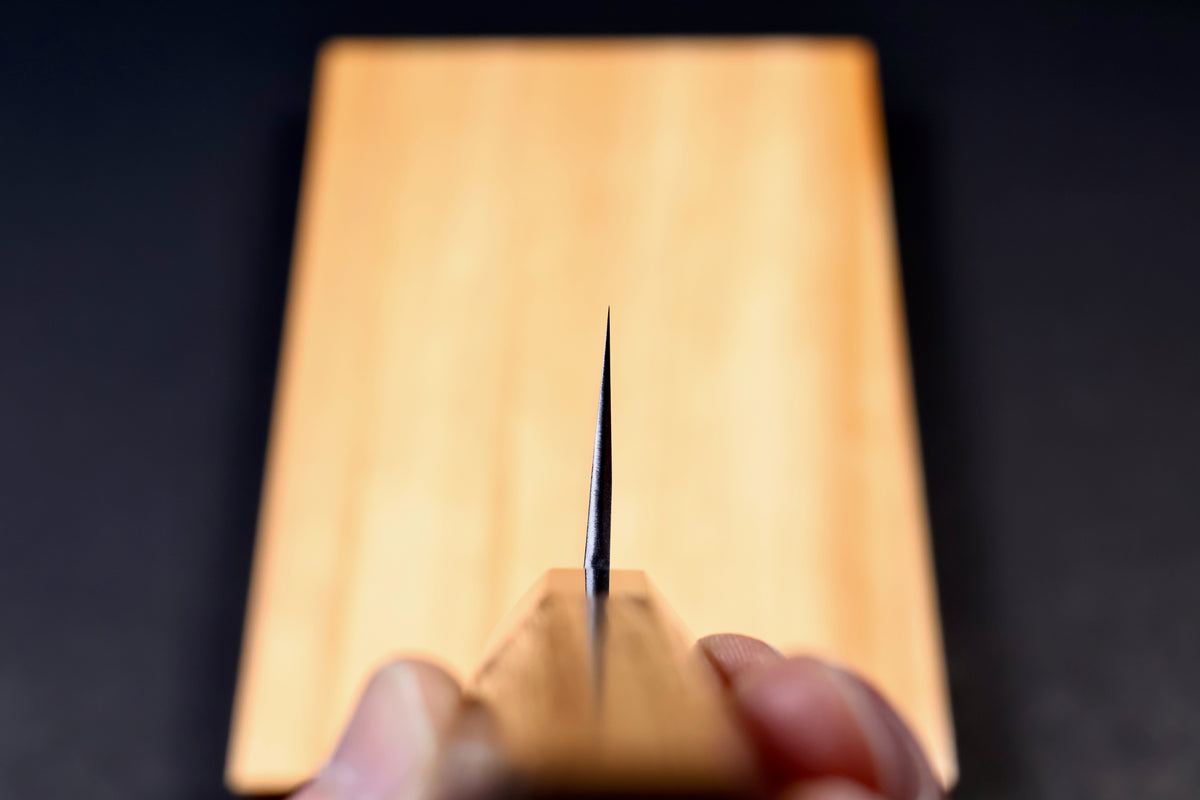
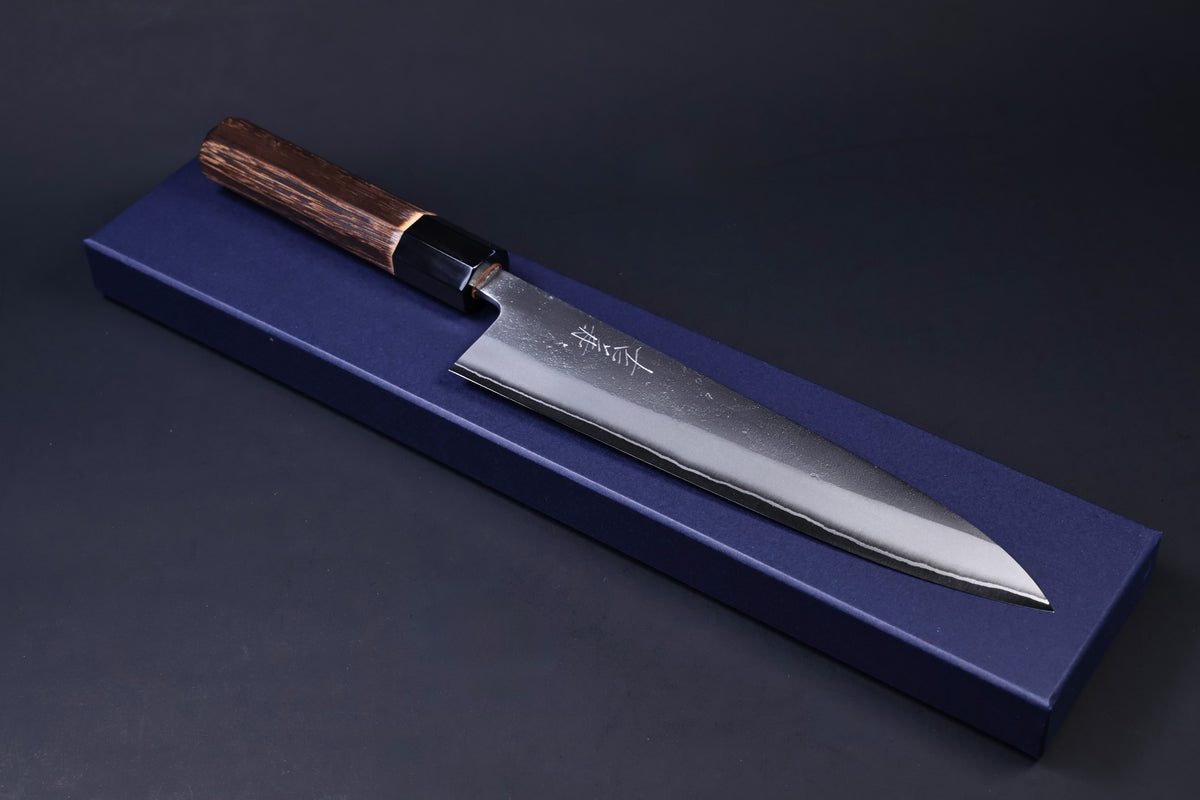
This 210mm Yoshikane gyuto is a san mai blade, with a White #2 carbon steel core heat treated to about 62 HRC wrapped in stainless cladding, so the carbon steel is exposed only at the cutting edge. The blade is ground thin behind the edge, tapering from about 4mm at the handle to under 1mm near the tip, which gives a smooth, precise glide through ingredients. At about 46.5mm tall at the heel and a light 165g, it leaves plenty of knuckle clearance without feeling heavy.

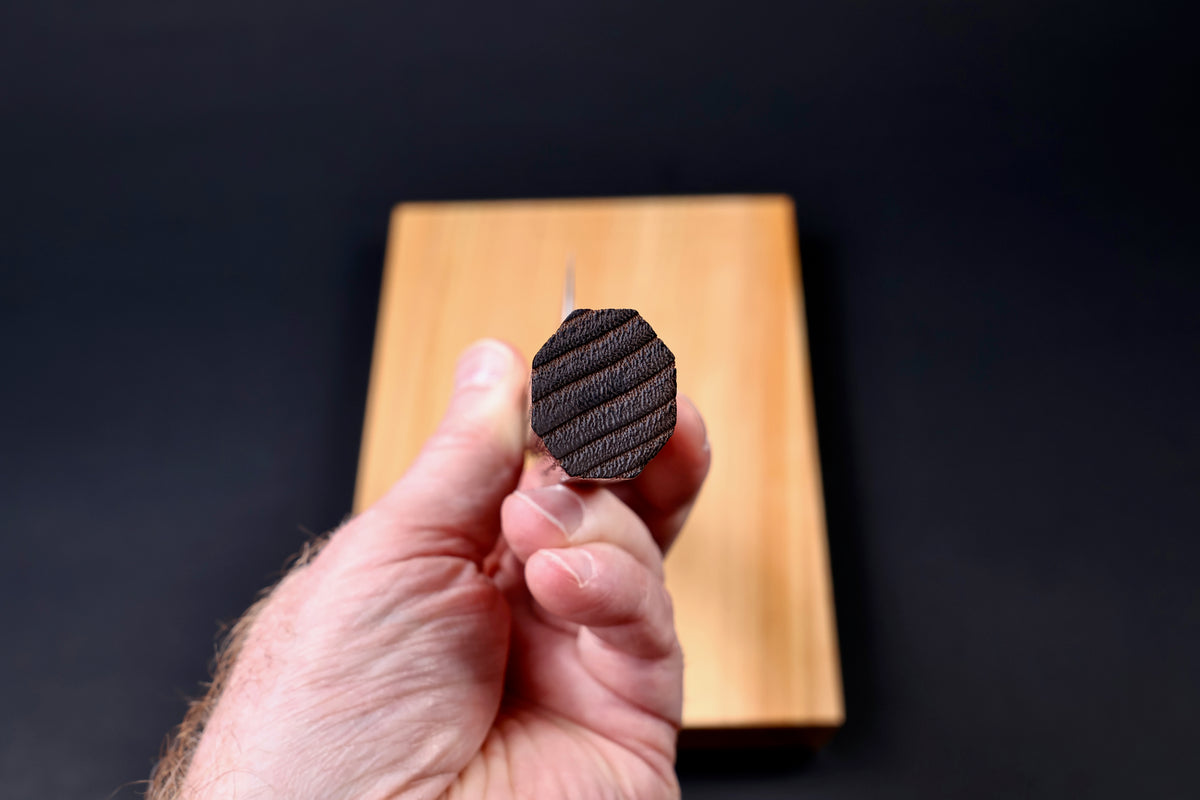
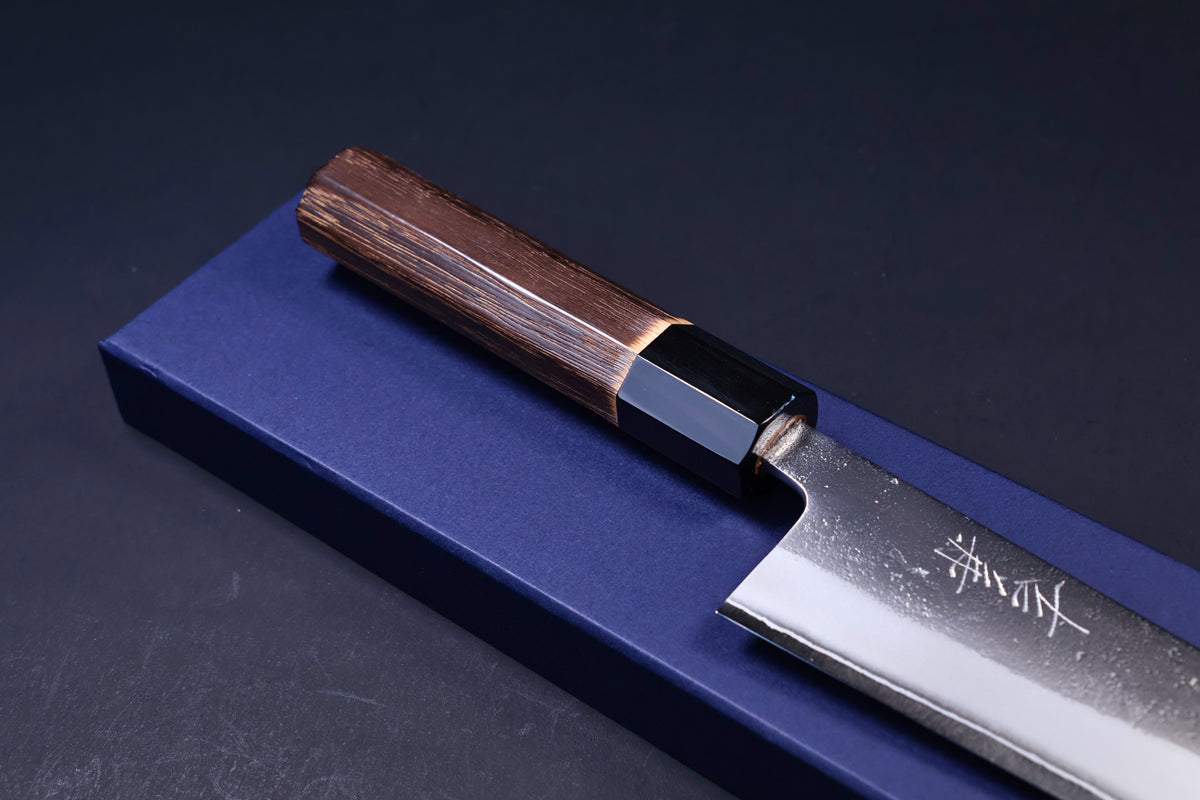
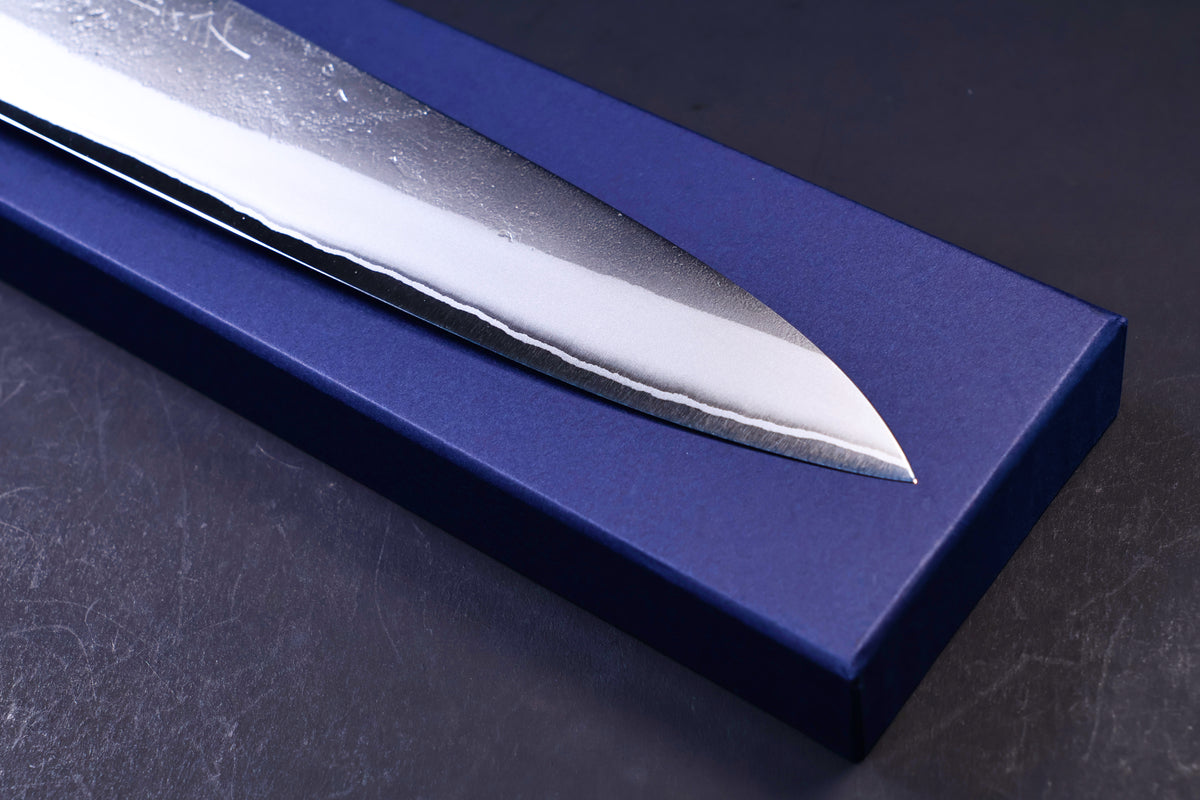
The nashiji finish gives the blade a fine, textured look, with the Yoshikane kanji engraved on the face. The octagonal burnt chestnut handle has a horn ferrule and a secure, comfortable grip, and its shape suits left- and right-handed cooks equally.

Details

  • Brand: Yoshikane
  • Blacksmith: Kazuomi Yamamoto
  • Type: Gyuto
  • Blade material: White #2, Stainless Steel Cladding
  • HRC: about 62
  • Handle: Burnt Chestnut, Buffalo Horn Ferrule
  • Blade Length: 210mm
  • Handle Length: about 125mm
  • Overall Length: about 351mm
  • Thickness of Spine: about 4mm
  • Height: at heel, about 46.5mm
  • Weight: about 156g
  • Bevel: Double
  • Hand Orientation: 50/50
  • Made in Sanjo, Niigata Japan

General knife care and use

  • Hand wash with mild soap and warm water soon after use.
  • Dry the blade and handle completely with a towel.
  • Never use a dishwasher, soak the knife or leave it in the sink.
  • Cut on wood or soft rubber boards. Avoid glass, stone and ceramic.
  • Use the spine, not the edge, to scrape food off the board.
  • Avoid bones, frozen food, twisting and prying. Hard Japanese steel can chip.
  • Store dry in a sheath, a knife block or on a magnetic strip, not loose in a drawer.
  • Sharpen on whetstones when the edge dulls. Avoid pull-through sharpeners.
  • Realign the edge between sharpenings with a leather strop or ceramic honing rod, which greatly extends how long the edge stays sharp.

Carbon steel

  • Different carbon steels react to moisture in different ways, so make a habit of keeping the blade clean and dry whenever you can.
  • Wipe the blade during use, especially after onions, citrus, tomatoes or fish.
  • Remove any rust spots promptly with a rust eraser, and wipe the blade with a drop of food-safe oil before long storage.

Wood knife handles

  • Wood handles keep a secure grip even when wet.
  • Use soap sparingly and avoid harsh detergents and bleach, which strip the wood's natural oils and can dry out the handle.

Knife details

  • knife profile - Gyuto

    The gyuto is a Japanese chef's knife, a general-purpose blade for meat, fish and vegetables. Its gently curved edge allows both rocking and push-pull slicing, while the pointed tip handles detail work.

  • knife steel - White #2

    White #2, also known as Shirogami #2, is a high-purity Japanese carbon steel prized for sharpening easily and taking an exceptionally keen edge. It is typically heat treated to around 61-63 HRC. It will develop a patina with use and should be wiped dry after cutting.

  • knife finish - Nashiji

    Nashiji, meaning "pear skin," is a fine, even texture that gives the blade a stippled, slightly matte look. The texture hides scratches and wear well, so the blade keeps its appearance with regular use. It also reduces surface contact with food, which can ease release slightly.

KNIFE BRAND

Yoshikane

Yoshikane Hamono is a family-run knife workshop in Sanjo, Niigata, founded in 1919 and now in its fourth generation. Sanjo is a well-known Japanese metalworking town, and the workshop makes hand-forged, hand-sharpened kitchen knives, mostly from SKD and White #2 steel. Its knives are known for their sharp, long-lasting edges and their distinctive nashiji finish.